Why Modern Dating Is Moving From Algorithms to Experience and What It Says About Us
For years, modern dating promised efficiency. Algorithms would do the work. Swipes would widen the field. Endless choice would lead to the perfect match. Instead, many people found themselves exhausted, disconnected, and strangely lonely—despite constant digital interaction.
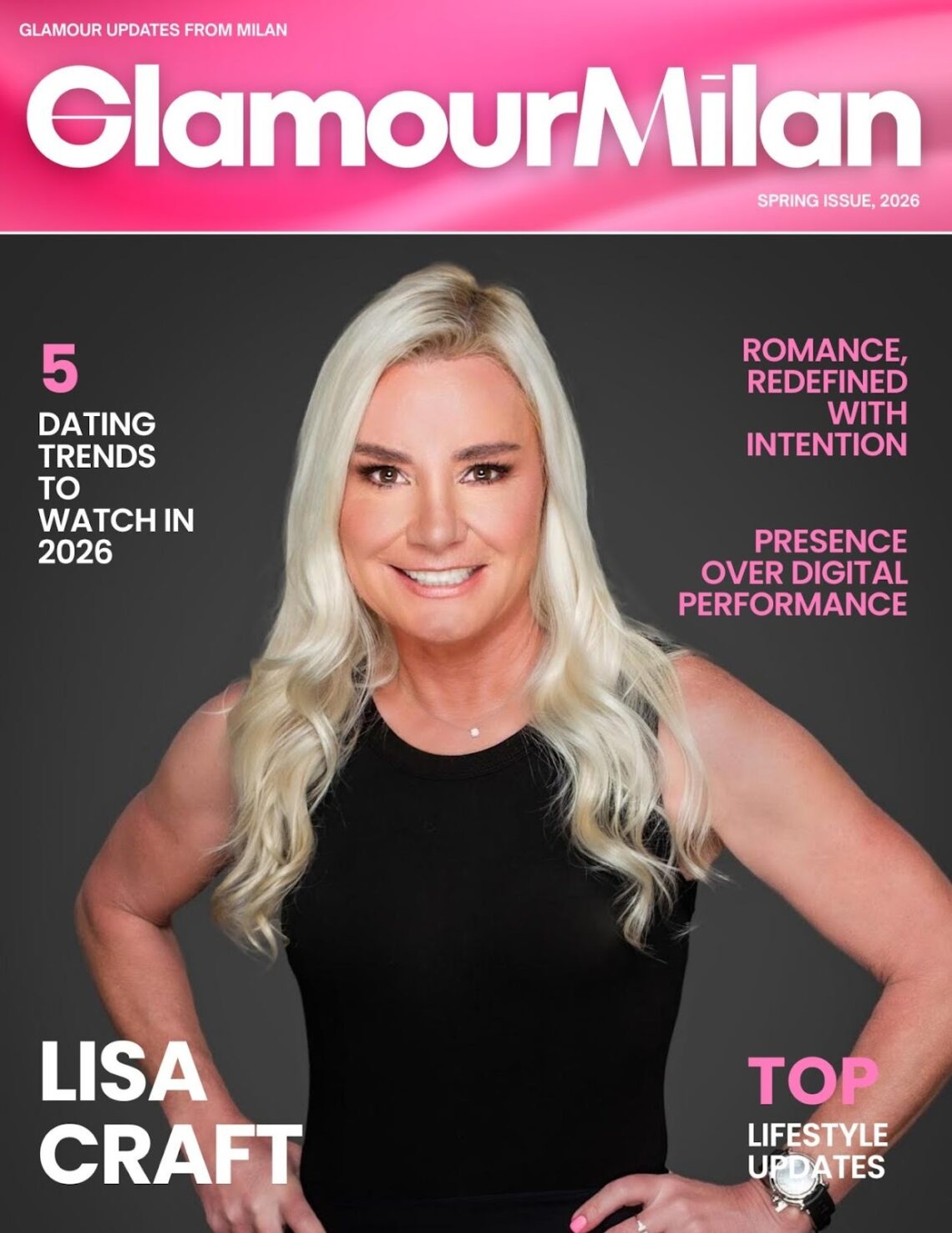
Lisa Craft, founder of AdventureDating.com, believes that discomfort is not a personal failure. It’s cultural feedback.
A focused, quietly driven founder, Craft is part of a growing movement questioning whether dating, as it has been engineered over the last decade, actually serves the emotional lives of those who use it. Her work is based on a simple but increasingly radical idea: romance flourishes not through volume, but through human experience and intention.

“We’re shifting into an experience economy,” she says. “Across every part of life, people are choosing fewer, better moments over endless options. Dating is catching up.”
This shift mirrors larger changes in how people travel, work, and socialize. Luxury today is no longer defined by excess; it’s defined by clarity. In dating, that means fewer matches, better alignment, and a real-world connection built around shared lifestyle rather than endless digital conversation.
Craft defines high-standard dating not as rigid or elitist, but as self-respect in action. It’s about making choices that are thoughtful and feel aligned, without settling for confusion or low effort. It’s dating that values presence over performance.
One of the biggest problems with mainstream dating platforms, she explains, is that they optimize for onscreen engagement and attention rather than compatibility and meeting in real life. Their success depends on keeping people engaged on screens, scrolling, chatting, reacting. But chemistry and trust don’t form in isolation. They form in shared space.
“Real connection happens when people are doing something together,” Craft says. “When they’re moving, observing, reacting. Not when they’re typing.”
That belief shapes how she thinks about first dates. Rather than drinks in loud, crowded spaces, she favors experiences that naturally lower pressure and create memory.
Depending on the season, that might mean a concert at the Hollywood Bowl, a basketball game with the Lakers or Clippers, or a spring afternoon watching the Dodgers. These settings offer something conversation alone cannot: a shared rhythm.
“When you experience something together,” she explains, “you’re building context. A memory. That’s where connection begins.”
At the heart of her philosophy are three non-negotiables: respectful energy, clear effort, and shared values. Someone who shows up on time. Communicates directly. Treats the moment like it matters. These signals, she believes, reveal far more than curated profiles or clever messaging.
As a founder, Craft often encounters skepticism. Many assume she is simply building “another dating app.” But she is quick to clarify that what she’s working on is far more complex and meaningful. An activity-based platform requires rethinking behavior itself—how people plan, show up, trust one another, and engage safely in the real world.
To stay grounded while navigating those challenges, Craft relies on consistency rather than hustle. She exercises daily, not as a performance goal, but as a mental reset. “Movement keeps me clear,” she says. “It helps me stay focused.”
Looking ahead, she hopes modern dating continues to move away from digital overload and back toward embodied connection. Her vision is not nostalgic—it’s practical. Dating that feels intentional, elevated, and safe. Dating that respects time. Dating that meets people where they actually live their lives.
For Lisa Craft, modern romance is not defined by constant communication or perfect timing. It’s defined by presence. Two people respecting each other’s time, meeting in real life, and allowing chemistry to grow through shared moments—not endless messaging.
In a culture that has mistaken activity for intimacy, her perspective offers a quiet correction: romance doesn’t need more technology. It needs more intention.